Physiotherapy in Perth
What is Physiotherapy?

At Perth Physiotherapy, we provide expert care to help you recover from injury, manage pain, and improve your overall mobility.
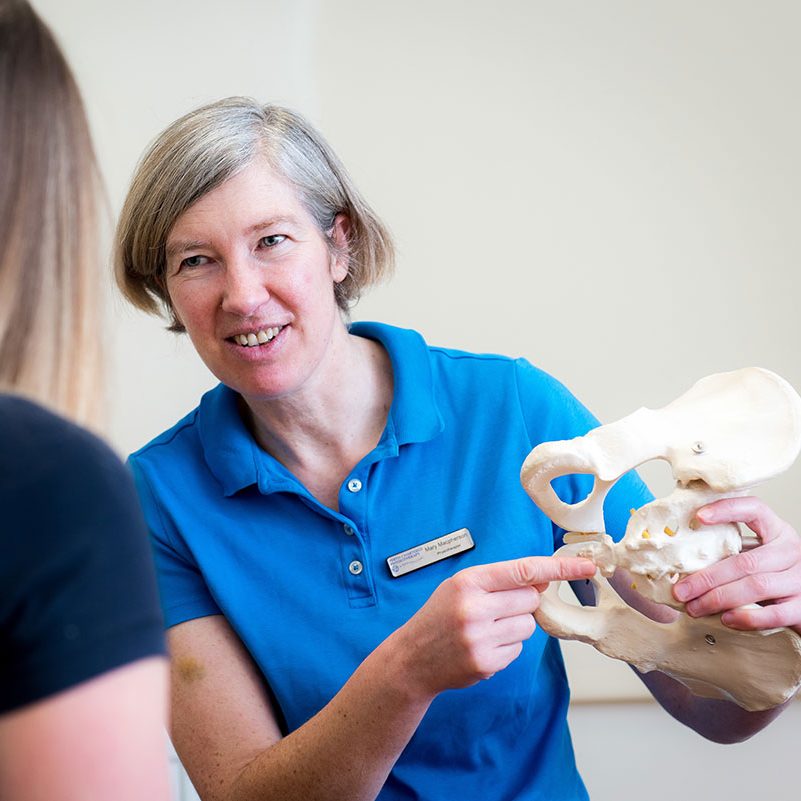
Physiotherapy is a health care discipline focused on restoring movement and function through personalised treatments, including exercise programs, manual therapy, and education. People often seek physiotherapy for a range of reasons, from recovering after surgery or sports injuries, to managing chronic conditions such as back or neck pain, arthritis, or posture-related issues.
Our experienced team works closely with each patient to create tailored treatment plans, helping you regain strength, prevent further injury, and get back to the activities you love. With our physiotherapy clinics conveniently based in Perth, Blairgowrie and Pitlochry, we are dedicated to delivering professional and compassionate physiotherapy services that prioritise your health and wellbeing.
What to Expect from Your Physiotherapy Appointment
During your first consultation, your physiotherapist will begin by taking a detailed history of your condition. They will also ask about your overall medical history to ensure your treatment plan is tailored specifically to your needs. If you are taking any medications, bringing a list can be helpful.
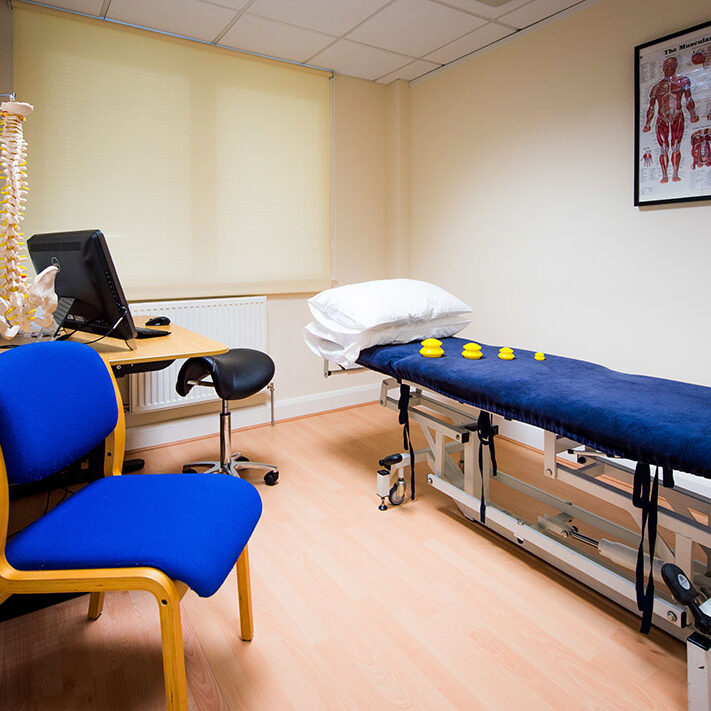
Next, your physiotherapist will perform a thorough physical examination. Depending on the area of concern, you may want to wear or bring shorts or a vest top. The examination may include assessing your posture, movement, strength, and flexibility, as well as evaluating specific structures such as tendons and ligaments.
Based on the findings from your assessment, your physiotherapist will discuss their clinical diagnosis with you and outline your treatment options, ensuring you understand the approach that best suits your recovery.
You are welcome to bring a chaperone to any appointment if you wish. Patients under the age of 18 must bring a chaperone to their physiotherapy appointment.
Physiotherapy Treatments in Perth
Mobilisations and Manipulations
Mobilisations and manipulations are manual therapy techniques applied to your joints. These passive movements are used with the aim of restoring optimal motion, function and/or reduce pain, and are often used in conjunction with other treatments such as soft tissue therapy and exercise prescription.
Soft Tissue Therapy
Mobilisations and manipulations are manual therapy techniques applied to your joints. These passive movements are used with the aim of restoring optimal motion, function and/or reduce pain, and are often used in conjunction with other treatments such as soft tissue therapy and exercise prescription.
Instrument-Assisted Soft Tissue Mobilisation (IASTM)
IASTM involves using a tool to aid mobilisation of the soft tissues, including fascia. This can be for pain relief, reducing muscle tightness or fascial restrictions or increasing range of movement.
Acupuncture
Our physiotherapists use acupuncture mainly for pain relief and reduction of muscle spasm. Although not for everyone, it can be a useful adjunct to our other treatments as well as helpful for long term management of certain conditions. Your physiotherapist will discuss whether acupuncture is appropriate for you and any potential side effects to treatment. Further information on acupuncture can be found on the website of the Acupuncture Association of Chartered Physiotherapists.
Exercise Prescription and Rehabilitation
For most conditions, exercises that you carry out at home are a vital part of your recovery. Your physiotherapist will explain your exercises programme to you. We can also provide paper or electronic access to your exercise programme to make sure you can confidently carry out your exercises at home. Our physiotherapists are also trained in Pilates – please see our Pilates page for more detailed information on the benefits of Pilates.
Taping
Your physiotherapist may suggest taping as part of your treatment. As well as rigid strapping tape, we also use Kinesiotaping. This flexible tape gives versatility to treatment, allowing us to facilitate or inhibit muscles, offload painful structures or reduce fascial restriction.
Our Other Physiotherapy Clinics

Frequently Asked Questions About Physiotherapy in Perth
You May Also Be Interested In